
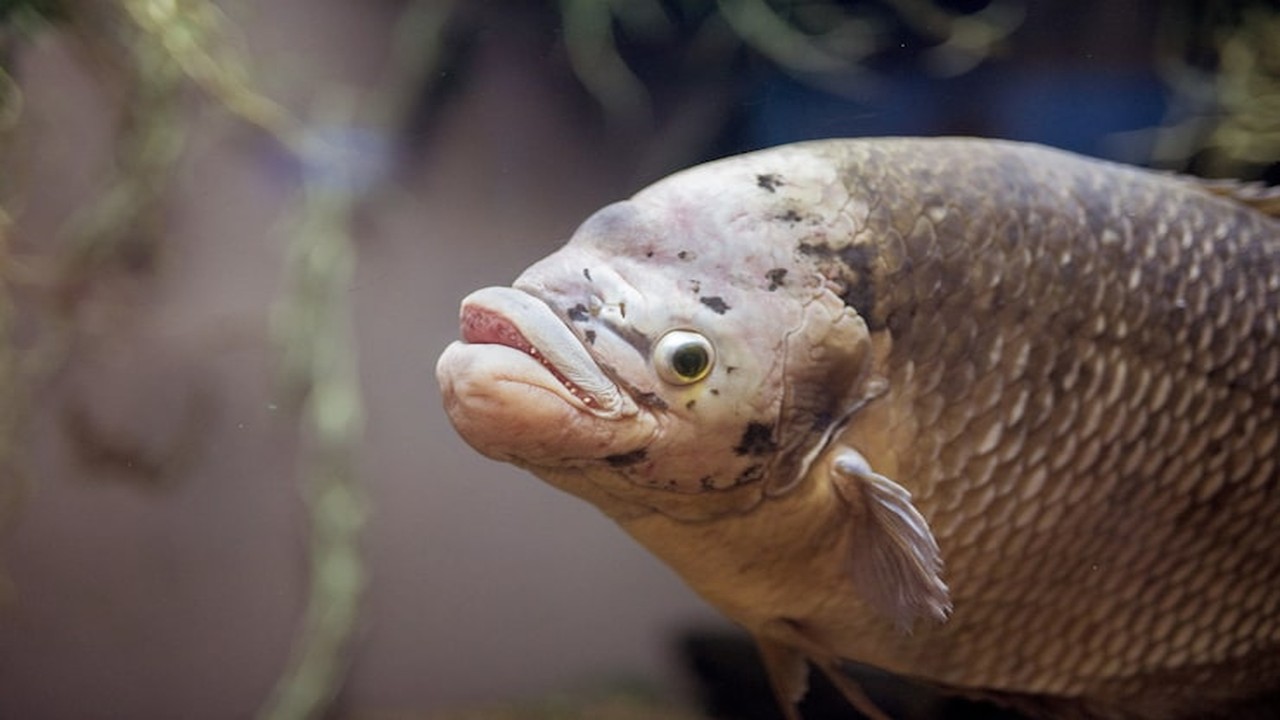
 Invasive species are not just a nuisance but a significant threat, contributing to 60% of global wildlife extinctions and costing a staggering $423 billion annually. A groundbreaking report from World Wildlife Fund (WWF) delves into leveraging market-based solutions to manage these pests, offering a unique framework that aligns ecological and business interests. By exploring innovative commercial uses for invasive species like carp and black locust trees, businesses and ecologists can collaborate to turn environmental challenges into profitable opportunities. This paradigm shift in conservation strategies underscores the potential of market forces to drive sustainable outcomes, with real-world examples showcasing the transformative power of this approach.
Leveraging Market-Based Solutions for Invasive Species Management
Invasive species pose a significant threat to global biodiversity and economic stability, with World Wildlife Fund (WWF) highlighting their role in 60% of wildlife extinctions and a staggering $423 billion annual cost. The innovative approach of developing commercial uses for these pests, as outlined in WWF's recent report, offers a promising solution to mitigate their impact. By creating markets for invasive species like carp and black locust trees, businesses can not only manage their populations but also generate environmental and economic benefits for local communities. This market-driven strategy represents a paradigm shift in conservation efforts, aligning ecological goals with business interests to address complex environmental challenges effectively.
The Role of Collaboration in Market-Based Solutions
A key aspect emphasized in the WWF report is the necessity of collaboration between the conservation and business sectors to successfully implement market-based solutions for invasive species. Companies like Chippin, Two Rivers Fisheries, and Impact Fisheries are actively engaged in developing innovative products using invasive carp, such as pet food and fish cakes, to address the bottleneck in processing capacity. This collaborative approach not only helps in managing invasive species populations sustainably but also creates market opportunities that benefit both the environment and local economies. By working together, businesses and conservation organizations can leverage their respective expertise to drive positive outcomes for biodiversity conservation and economic development.
Addressing Challenges and Mitigating Risks in Market Development
While the concept of developing markets for invasive species presents significant potential, it also comes with inherent challenges and risks that need to be carefully addressed. As highlighted by WWF's framework, there is a need for thorough planning and analysis to ensure that market-based solutions do not inadvertently harm ecosystems or local communities. Companies venturing into this space, such as Chippin with its IGNIZA brand, must navigate the complexities of supply chain management, consumer preferences, and environmental sustainability to create products that are both commercially viable and ecologically responsible. By proactively addressing these challenges and mitigating risks, businesses can maximize the positive impact of market-based solutions on invasive species management.
Scaling Impact Through Knowledge Sharing and Continuous Improvement
To drive long-term success in leveraging market forces for invasive species management, continuous learning, knowledge sharing, and improvement are essential. WWF's commitment to revising and refining its 'Market Uses for Invasives' framework, along with developing additional case studies and sharing best practices, underscores the importance of ongoing collaboration and innovation in this space. By documenting lessons learned, disseminating valuable insights, and supporting businesses in implementing sustainable practices, WWF aims to scale the impact of market-based solutions globally. This collective effort towards continuous improvement and knowledge sharing will not only enhance the effectiveness of current initiatives but also pave the way for future innovations in invasive species management through market-driven approaches.
Conclusion
In the realm of invasive species management, the convergence of ecological conservation and business innovation, as championed by World Wildlife Fund (WWF), heralds a transformative era of sustainable solutions. By harnessing market forces to repurpose pests like carp and black locust trees, businesses are not only combating biodiversity loss but also fostering economic growth and community resilience. The imperative of collaboration, meticulous risk mitigation, and a commitment to continuous improvement underscore the efficacy of market-based strategies in addressing complex environmental challenges. As we navigate this paradigm shift, let us seize the opportunity to redefine conservation through profitable sustainability, where every challenge becomes a gateway to positive change and shared prosperity.