
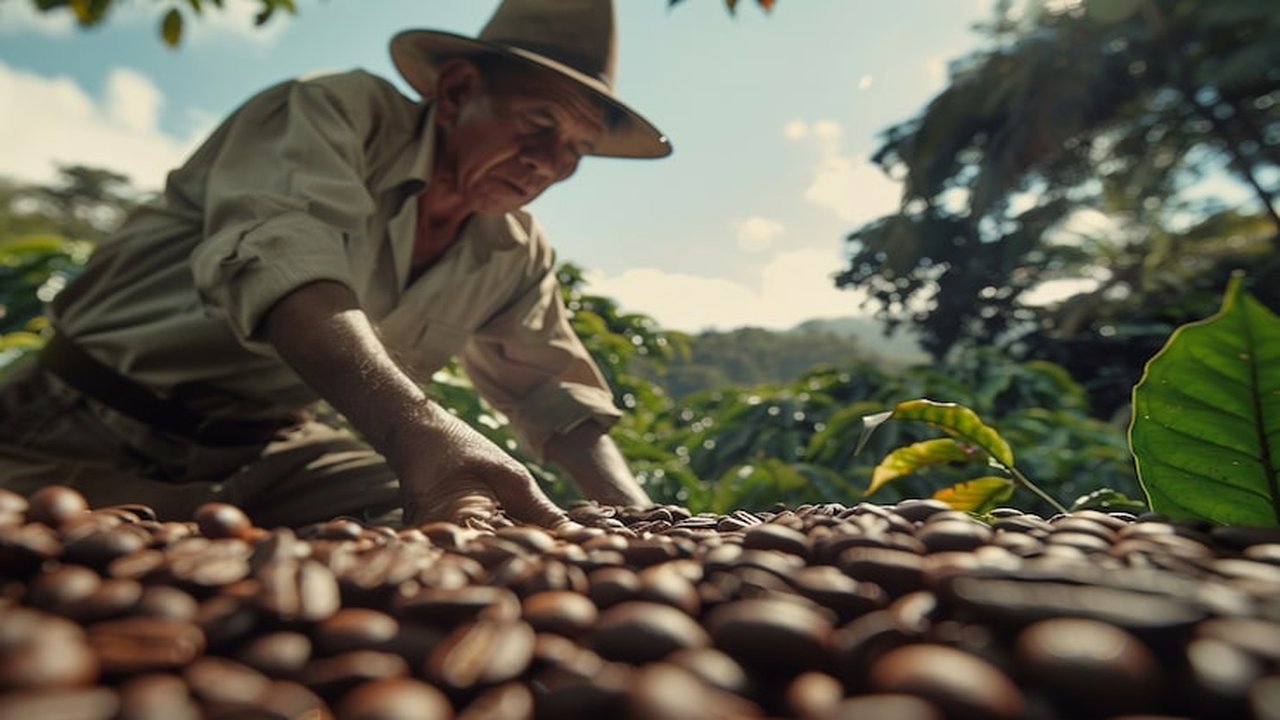
 In the heart of Ecuador, Mars and ofi (Olam Food Ingredients) are embarking on a groundbreaking mission to achieve net zero cocoa production. This ambitious five-year project aims to revolutionize cocoa farming practices across vital regions, setting a new standard for sustainability in the industry. As global demand for ethically sourced products rises, this strategic partnership not only underscores the companies' commitment to combat climate change but also signals a sector-wide shift towards regenerative agriculture and transparency in supply chains.
Industry-wide Shift Towards Regenerative Agriculture
The commitment by Mars and ofi to implement regenerative agriculture practices in cocoa production signals a broader industry trend towards sustainability and ethical sourcing. This shift is evident in the actions of major players like Mondelēz International and Ferrero, who are also embracing regenerative agriculture and net zero targets in their cocoa strategies. By moving beyond mere declarations of climate ambitions, these companies are setting a new standard for the sector, emphasizing the importance of long-term investments and collaboration with farmers. This collective effort highlights a fundamental change in the way companies approach cocoa sourcing, emphasizing the need for holistic and environmentally conscious practices to ensure the long-term viability of the industry.
Impact of Climate-Smart Practices on Cocoa Production
The adoption of climate-smart and regenerative agriculture practices by Mars and ofi in Ecuador is poised to revolutionize cocoa production in the region. Through initiatives like transitioning from full-sun monoculture to multistrata agroforestry, these companies are not only enhancing cocoa yields but also promoting biodiversity and natural ecosystem functions. Such practices not only benefit the environment but also offer economic opportunities for farmers, aligning with Ferrero's focus on building resilient livelihoods. As the industry embraces these sustainable practices, the potential for increased productivity, reduced greenhouse gas emissions, and enhanced soil health becomes increasingly apparent, paving the way for a more sustainable cocoa supply chain.
Collaborative Partnerships for Scale and Impact
The collaboration between Mars and ofi underscores the power of partnerships in driving meaningful change at scale. By working together to implement climate-smart practices across vital cocoa-growing regions, these companies are not only advancing their individual sustainability goals but also contributing to a sector-wide transformation. This collaborative approach mirrors the industry trend towards deeper engagement with farmers and a shift towards region-wide impact, as observed in initiatives by companies like Mondelēz International and Ferrero. Through shared ambitions and concerted efforts, these partnerships are reshaping the cocoa industry landscape, emphasizing the importance of collective action in addressing pressing environmental challenges.
Transparency and Ethical Sourcing as Competitive Advantages
As companies like Mars, Mondelēz International, and Ferrero integrate regenerative agriculture and net zero targets into their core strategies, transparency and ethical sourcing are emerging as key competitive differentiators. Consumers are increasingly demanding products that align with their values, driving companies to prioritize sustainability and traceability in their supply chains. By demonstrating a commitment to ethical practices and environmental stewardship, these companies not only enhance their brand reputation but also secure a competitive edge in a market where sustainability is becoming a defining factor. This emphasis on transparency and ethicality not only benefits the companies themselves but also sets a benchmark for the entire industry, encouraging a shift towards more responsible and sustainable business practices.
This structured analysis highlights the strategic implications of the evolving cocoa industry landscape, where companies like Mars, Mondelēz International, and Ferrero are at the forefront of driving sustainability, ethical sourcing, and transparency in global supply chains.
Conclusion
The collaborative efforts of Mars, Mondelēz International, and Ferrero in pioneering sustainable cocoa production underscore a transformative shift towards regenerative agriculture and transparency in global supply chains. By prioritizing climate-smart practices and ethical sourcing, these industry leaders are not only reshaping the cocoa landscape but also setting a new standard for responsible business conduct. As consumer demand for sustainable products escalates, the strategic alignment of these companies with environmental stewardship not only enhances their competitiveness but also catalyzes a broader industry movement towards a more ethical and transparent future. This collective commitment to sustainability serves as a compelling call to action for businesses worldwide to embrace regenerative practices and forge partnerships that drive positive impact across supply chains.