
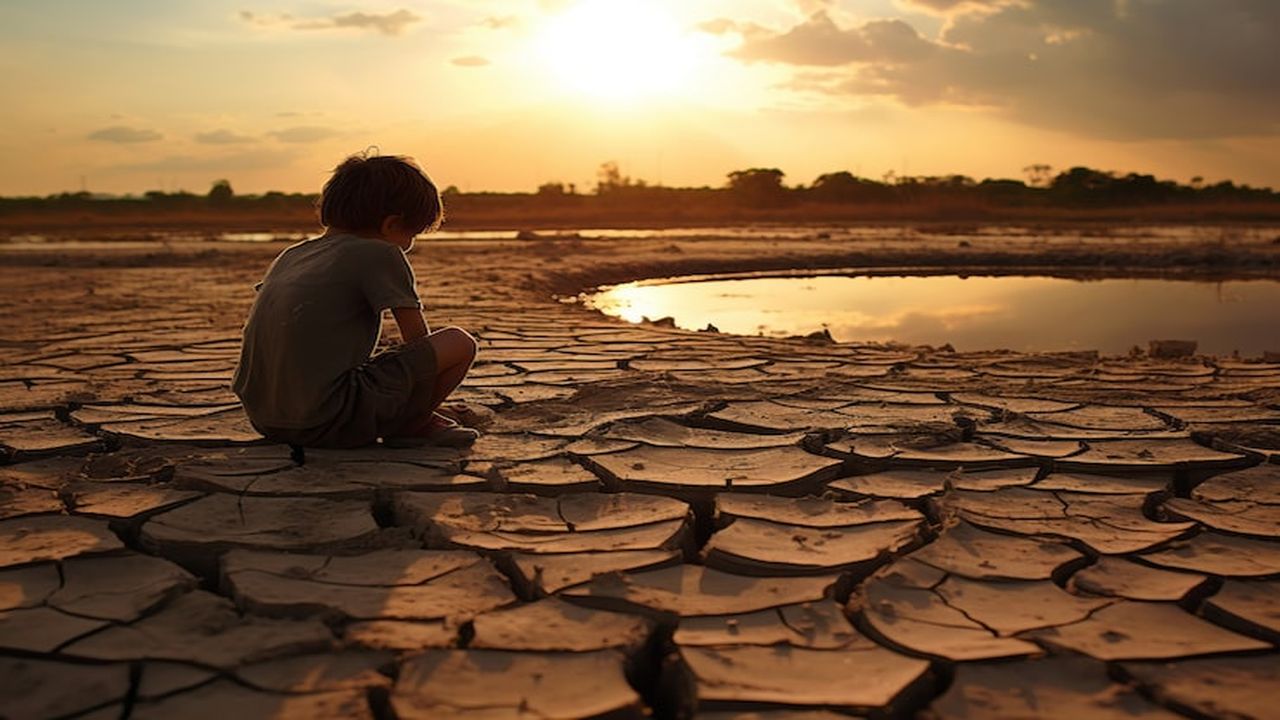
 With over half the world's population facing water stress, a coalition of sustainability leaders is pioneering a groundbreaking initiative to standardize corporate value chain water risk assessment. Led by SCS Global Services, World Resources Institute, World Wildlife Fund, and the CEO Water Mandate, this effort aims to provide a unified framework for companies to navigate escalating water challenges. By introducing Water Scopes 1-3, this initiative promises a shared language and methodology to enhance transparency, accountability, and resilience across global value chains. Joining forces in a transparent, multi-stakeholder process, these organizations are set to revolutionize how businesses address water risks and impacts, shaping a more sustainable future for all stakeholders involved.
Addressing Escalating Water Scarcity Challenges
The global water scarcity crisis is intensifying, with over half of the world's population facing highly water-stressed conditions at some point during the year. This crisis not only disrupts supply chains and impacts production costs but also poses a significant threat to key commodities essential for various industries. The lack of a common standard for assessing and managing corporate value chain water risk has left companies struggling to disclose their water impacts effectively. In response to this pressing issue, the initiative led by SCS Global Services and other sustainability organizations aims to develop a standardized guidance framework, Corporate Guidance for Assessing Water Scopes 1-3 in Value Chains. By leveraging the successful model of the GHG Protocol, which established standard categories for measuring corporate greenhouse gas emissions, this initiative seeks to provide companies with a shared language and methodology to identify and address water risks across their value chains comprehensively.
The absence of a unified approach to assessing water risks in value chains has hindered companies from understanding the full extent of their water impacts and implementing targeted mitigation strategies. With nearly one-third of global GDP projected to be exposed to high water stress by 2050, the need for a standardized guidance framework like Water Scopes 1-3 is more critical than ever. By enabling companies to map out water risks and impacts across their operations, supply chains, and product use, this initiative will not only enhance transparency and accountability but also foster greater resilience in the face of escalating water challenges. Through a transparent, multi-stakeholder process that emphasizes collaboration and expertise from organizations like World Wildlife Fund and CEO Water Mandate, the development of this guidance promises to revolutionize how businesses approach water stewardship and contribute to a more sustainable future for all stakeholders involved.
Enhancing Corporate Water Reporting and Disclosure
The lack of a standardized framework for reporting water risks across value chains has created a significant barrier to effective disclosure practices among companies. Regulators and investors are increasingly demanding transparency on water impacts, yet the absence of a common language for reporting has impeded progress in this area. The initiative to develop Corporate Guidance for Assessing Water Scopes 1-3 in Value Chains, spearheaded by SCS Global Services and other leading sustainability organizations, seeks to bridge this gap by providing companies with a clear and consistent methodology for identifying and disclosing water risks. By drawing on the success of the GHG Protocol in standardizing greenhouse gas emissions reporting, this guidance aims to streamline water reporting processes and facilitate meaningful comparisons of performance across industries.
The development of a shared foundation for reporting water risks in value chains will not only enable companies to meet regulatory and investor expectations but also drive accountability and action on a broader scale. As companies navigate the complex landscape of water stewardship, the guidance framework will serve as a valuable tool for unlocking positive water impacts and strengthening resilience across the value chain. By connecting to existing disclosure systems like CDP and AWS, the framework will complement rather than replace current reporting mechanisms, ensuring a seamless integration of water risk assessment into companies' sustainability strategies. Through active participation from companies, non-governmental organizations, and experts, the initiative aims to create a robust framework that enhances corporate water reporting practices and fosters a culture of transparency and sustainability in the business world.
Fostering Collaboration for Sustainable Water Management
Effective water stewardship in value chains requires enhanced collaboration among companies, suppliers, and stakeholders to address shared water risks and dependencies. The transition from focusing solely on direct operations to incorporating supply chain impacts poses a significant challenge for companies across various sectors. By extending the principles of Positive Water Impact into the supply chain, businesses can enhance their brand reputation, mitigate risks, and drive long-term resilience in the face of escalating water challenges. The initiative to develop Water Scopes 1-3 in Value Chains, led by SCS Global Services and other sustainability organizations, underscores the importance of collaboration and transparency in achieving sustainable water management practices.
The multi-stakeholder process through which the guidance framework will be developed emphasizes the need for diverse expertise and perspectives to inform the standardization of water risk assessment across value chains. By engaging companies, non-governmental organizations, foundations, and experts as sponsors or working group members, the initiative aims to leverage collective knowledge and experience to create a robust and credible guidance framework. Through enhanced collaboration and knowledge-sharing, companies can identify material water impacts, strengthen efforts to safeguard freshwater ecosystems, and drive positive change in the way water resources are managed within global value chains. As businesses navigate the complexities of water stewardship, fostering collaboration and transparency will be essential in achieving sustainable water management practices that benefit both companies and the broader ecosystem.
Conclusion
In a world grappling with escalating water scarcity challenges, the collaborative initiative led by SCS Global Services, World Resources Institute, World Wildlife Fund, and the CEO Water Mandate to standardize corporate value chain water risk assessment through Water Scopes 1-3 heralds a new era of transparency, accountability, and resilience. By providing a unified framework for companies to navigate water risks comprehensively, this groundbreaking effort not only enhances corporate water reporting and disclosure but also fosters collaboration for sustainable water management. As businesses embrace this standardized guidance, they pave the way for a more sustainable future, where collective action drives positive change and safeguards water resources for generations to come.