
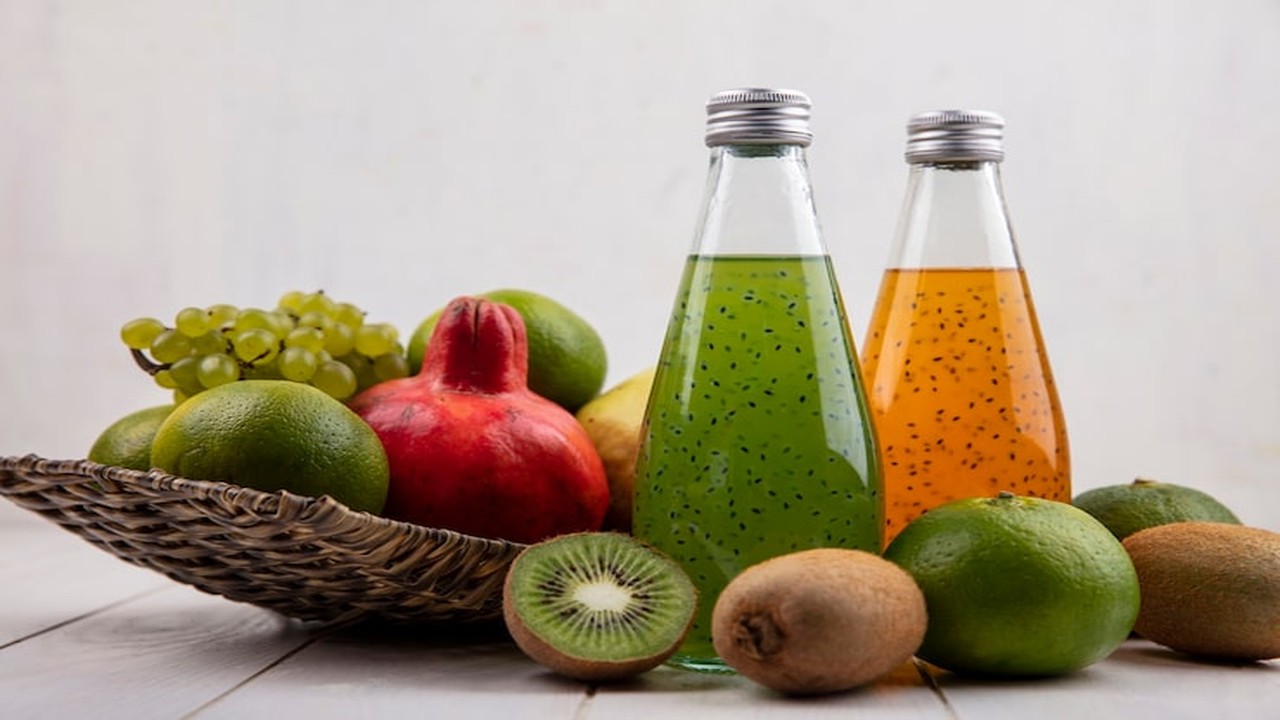
 The functional beverage market is ablaze with innovation, set to surge from $164bn to $239bn by 2031 at a remarkable CAGR of 7.9%. But what's fueling this explosive growth? Beyond mere health benefits, these beverages offer a tantalizing blend of convenience, flavor, and lifestyle enhancement. From natural energy sources to gut health sodas, the landscape is evolving rapidly. Dive into our exploration of the top trends shaping the global functional beverage market, from energy and gut health to protein, focus, and beyond. Discover how brands like Starbucks, Olipop, and Liquid I.V. are reshaping the industry with cutting-edge formulations and wellness-focused messaging.
The Rise of Natural Energy Sources
The energy beverage category is undergoing a significant transformation, shifting towards natural sources of energy and cleaner formulations. Brands like Celsius, Alani Nu, and Tenzing are at the forefront of this evolution, emphasizing ingredients like ginseng, guarana, and green tea for a sustained energy release. This shift aligns with consumer preferences for healthier options, driving the demand for energy drinks with reduced sugar content and no artificial additives. Moreover, the rebranding of energy drinks to convey a more aspirational and health-conscious image has resonated well with modern consumers seeking functional beverages that not only boost energy but also promote overall well-being.
In response to these changing consumer preferences, companies are increasingly investing in innovative formulations that cater to the natural energy trend. Starbucks, known for its coffee offerings, has introduced Starbucks Coffee & Protein, a product that combines 22g of protein with 5g of prebiotic fiber. This strategic move by Starbucks not only capitalizes on the protein trend but also demonstrates the brand's agility in adapting to evolving market demands. As the natural energy segment continues to expand, companies that prioritize clean label positioning and better-for-you credentials are likely to gain a competitive edge in the functional beverage market.
The Gut Health Revolution
The focus on gut health and digestion has gained momentum in the functional beverage industry, with brands like Olipop and Poppi leading the way by introducing gut health sodas that offer both nutritional benefits and enjoyable flavors. This trend reflects a broader shift towards incorporating functional ingredients into everyday beverages, making health-conscious choices more accessible and appealing to consumers. The success of gut health sodas has not gone unnoticed by major players like Coca-Cola and PepsiCo, prompting them to enter the category and explore the potential for innovation and growth.
Beyond gut health sodas, the functional beverage landscape is witnessing a proliferation of products targeting digestion, such as functional beverage shots and wellness juices. Notably, coffee brands are also leveraging their products' favorable impact on gut bacterium to appeal to health-conscious consumers. By diversifying their offerings to include gut health-focused beverages, companies are tapping into a growing market segment that prioritizes digestive wellness as a key element of overall health and vitality. The integration of gut health benefits into a variety of beverage formats underscores the industry's commitment to meeting evolving consumer needs and preferences.
Embracing High-Fiber Formulations
The emergence of high-fiber products as a prominent category within the functional beverage market underscores consumers' increasing awareness of the importance of fiber in maintaining optimal health. As trends like Fibremaxxing gain traction on social media platforms, more individuals are recognizing the significance of incorporating an adequate amount of fiber into their diets to reduce the risk of chronic diseases like cardiovascular conditions and colon cancer. Companies like Naked, with its launch of fiber smoothies, are capitalizing on this trend by offering convenient and nutritious options that cater to consumers' fiber needs.
In the UK, where a significant portion of the population falls short of the recommended fiber intake, the demand for high-fiber beverages is particularly pronounced. The link between low-fiber diets and rising colon cancer rates among young people has further underscored the importance of dietary fiber in disease prevention and overall well-being. By promoting fiber-rich formulations, beverage brands are not only addressing a prevalent health concern but also positioning themselves as allies in consumers' quest for healthier lifestyles. The integration of fiber into fruit juices and other beverage categories reflects a strategic response to changing dietary patterns and the growing emphasis on preventive health measures.
Conclusion
The global functional beverage market is undergoing a profound transformation, driven by a convergence of health consciousness and innovation. From the rise of natural energy sources championed by Celsius and Alani Nu to the gut health revolution spearheaded by Olipop and Poppi, brands are reshaping the industry landscape with a focus on transparency, sustainability, and wellness. As consumer preferences evolve towards cleaner formulations and functional benefits, companies like Starbucks are setting new standards with products like Starbucks Coffee & Protein, showcasing a keen understanding of market trends. Embracing high-fiber formulations and prioritizing gut health, beverage brands are not just meeting but anticipating consumer needs, positioning themselves as allies in the pursuit of holistic well-being. The future of functional beverages lies in this intersection of health, taste, and purpose, where brands play a pivotal role in promoting a sustainable and ethical approach to nourishment.